
Cape Coral DUI Body-Camera Evidence: What May the Video Reveal?
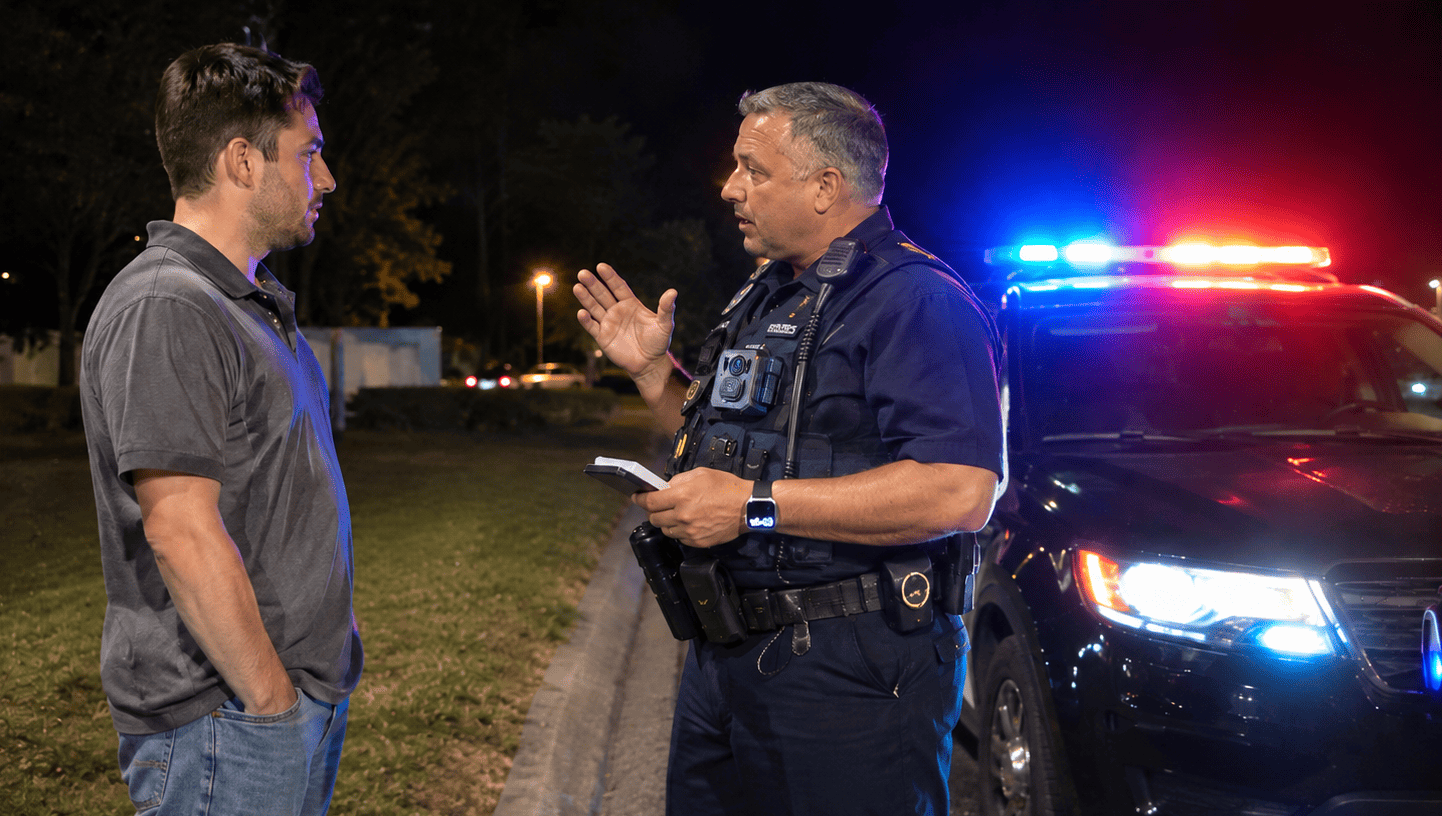
Body-camera and dash-camera footage can preserve important parts of a DUI stop, but the recording does not always capture the entire encounter or explain what occurred outside the camera’s view. A Cape Coral DUI body camera recording may show officer instructions, a driver’s responses, roadside conditions, field sobriety exercises, statements, and portions of the arrest while also leaving some events unclear. Ralph Sanchez Law can review the available footage alongside police reports, test results, and other case evidence to identify where the recording supports, conflicts with, or adds context to the written account.
Reviewing both what the recording captures and what it misses can help determine how DUI video evidence relates to the other evidence in the case. At Ralph Sanchez Law, footage can be reviewed alongside police reports, testing records, witness information, and the timeline of the stop. The recording should be considered alongside reports, witness accounts, test results, and the circumstances of the stop. This article explains what Cape Coral DUI body-camera footage may reveal and why context matters.
What Body Cameras and Dash Cameras May Record
Police body cameras are generally attached to an officer’s uniform, while dash cameras are mounted in or on a patrol vehicle. Depending on the equipment and how it is used, either system may record audio and video before, during, or after a DUI investigation. The available footage can vary from one incident to another. A camera may not be activated immediately, may stop recording, or may not capture every part of an encounter.
Recordings may show the initial interaction, the officer’s approach to a vehicle, roadside questioning, field sobriety exercises, and the arrest process. Dash-camera footage can sometimes offer a broader view of the road, vehicle movement, or activity near the patrol car. Body-camera footage may provide a closer view of conversations and instructions. Neither angle captures every event, and the camera’s location can affect what appears in the frame.
What the Video May Reveal About Driving Observations
A DUI investigation may begin with an officer’s observations of a vehicle or driving behavior. The officer might report that a vehicle crossed a lane marker, stopped unexpectedly, traveled unusually slowly, or failed to respond to a traffic signal. Video may help show the portion of the driving event that a camera recorded, but the recording may begin only after the officer has stopped the vehicle.
If dash-camera footage captures the driving, it may help establish the vehicle’s position, movement, or speed in the moments shown. It could support an officer’s description, appear inconsistent with it, or not provide enough information. For example, a short recording might show a vehicle touching a lane line but not reveal the full driving pattern or the road conditions. A camera pointed toward the patrol car may not show the vehicle’s path at all.
The limits of the recording matter. A camera’s field of view, distance, lighting, weather, road layout, and recording quality can affect what can be determined. Video should not be treated as a complete record simply because it exists. Comparing the footage with the written report and other available evidence may help identify what is visible, what is not, and whether the accounts differ.
Officer Instructions and Field Sobriety Exercises
One of the most important portions of a DUI recording may be the officer’s instructions before and during roadside exercises. The video may show where the exercises took place, how the officer demonstrated them, and what directions the driver received. It may also capture whether the driver asked for clarification or whether the officer repeated an instruction.
The recording can help show the instructions given, the location of the exercises, and some of the conditions present while they were performed. Footwear, surface quality, lighting, weather, traffic, injuries, balance issues, fatigue, and anxiety may affect a person’s ability to complete an exercise. Video may help viewers see some of these factors, although it may not capture them fully. A recording cannot, by itself, diagnose a medical condition or establish why someone moved a certain way.
Clues in the Walk-and-Turn or One-Leg Stand
Footage may show whether a driver appeared to understand the instructions, how the officer demonstrated the exercise, and what the driver did in response. It may reveal pauses, balance adjustments, use of arms, or difficulty following a sequence. But these movements need to be interpreted carefully. A minor movement on video may have different possible explanations, and camera perspective can make distance or posture difficult to assess.
The recording may also show whether the surface was level, whether the area was well lit, or whether distractions were present. If the officer’s report describes a condition or action that is not apparent in the footage, that difference may be worth examining. At the same time, the camera’s angle or image quality could explain why a detail is not visible. A fair review considers both possibilities.
Instructions, Demonstrations, and Communication
Video can preserve the wording and timing of instructions. That may help determine whether directions were given clearly, whether the driver had an opportunity to ask questions, and whether an exercise began before the instructions were complete. It may also record language barriers, interruptions, or background noise that affected communication. These details can be relevant when evaluating how much weight to give the reported performance.
Statements, Questions, and Timing
Body-camera footage may capture statements made by the driver and questions asked by officers. It can preserve the sequence of a conversation, including whether an answer followed a particular question or whether an officer repeated or clarified it. The recording may also reveal whether a statement was made before or after an arrest, or during another stage of the encounter.
Timing is important because an investigation unfolds in stages. The video may help establish when the officer first noticed the vehicle, when the stop began, when questioning occurred, and when field exercises or testing were discussed. Those timestamps can be compared with reports and other records. If the timeline is unclear or inconsistent, the complete recording—not just a short excerpt—may provide useful context.
However, audio can be difficult to hear, and video may not capture every conversation. A microphone may pick up traffic noise or fail to record speech clearly. Some interactions may happen outside the recorded area. If a statement cannot be heard on the recording, the footage alone may not establish whether the statement was or was not made. It means the recording may not establish what happened in that moment.
Officer Conduct and the Conditions of the Stop
Footage may show how an officer communicated with a driver, whether instructions were repeated, and how the roadside investigation proceeded. It may also show the physical setting, including nearby traffic, weather, lighting, and the space available for exercises. These details can help explain the encounter and provide context for claims made in written reports.
Video may support an officer’s account—for example, if it clearly shows a particular instruction or observed action. It may also appear to contradict a description or reveal that the camera does not capture the event in question. In other situations, it may be neutral: the recording simply may not show enough to confirm or disprove a disputed detail. The value of the recorded observation depends on the footage’s completeness, clarity, angle, and relationship to the rest of the evidence.
Why One Clip May Not Tell the Whole Story
A short video excerpt can leave out what happened before or after the portion being viewed. A recording might begin after the reason for the stop, or it might not include an interaction that occurred away from the camera. It can also be affected by equipment limitations, changes in camera position, obstruction, poor lighting, or interruptions in recording. Those limitations should be considered before drawing conclusions.
It is also important to distinguish what a camera visibly shows from what someone infers from it. A recording may show a person swaying, for instance, but it may not explain the cause. It may capture speech but not establish a person’s blood alcohol concentration. Video is one form of evidence, not a substitute for every other form of proof. Its meaning depends on the legal issues in the case and the other case evidence.
How DUI Video Evidence Can Be Reviewed
A careful review starts with obtaining and preserving the relevant recordings. Depending on the incident, that may include body-camera footage, dash-camera video, booking-area recordings, or other available recordings. The full files can be more informative than a selected clip because they may show the sequence of events and provide additional context. The recording may also need to be compared with the incident report, witness information, test records, and other case materials.
During review, useful questions may include:
- Does the footage show the driving behavior described in the report?
- When does recording begin, and are there gaps or changes in the recording?
- Can the officer’s instructions and the driver’s responses be heard clearly?
- What conditions are visible at the location of any roadside exercises?
- Does the timeline in the recording align with the written account?
- Are there details that the camera cannot show or confirm?
These questions do not determine the outcome of a case on their own. They help organize a factual review and identify points that may require further investigation. A Cape Coral DUI attorney can assess how available footage relates to the particular allegations, procedural issues, and other evidence. The right approach depends on the facts of the individual matter.
Preservation and Access to Recordings
Recordings may be subject to retention rules and evidence procedures, and the process for obtaining them can depend on the circumstances of the case. If a person believes a recording may be important, it can be helpful to address preservation and access promptly through applicable discovery or records procedures. Waiting may complicate efforts to locate material, especially if multiple cameras or agencies were involved.
It is also wise to avoid relying on a phone recording, social media clip, or unofficial excerpt as a complete account. Those versions may be edited, compressed, or missing the original audio and metadata. When available, the complete original recording can provide more context than a shortened or reposted clip, although technical limitations may still remain.
Putting the Footage in Context
Cape Coral DUI body camera recordings can provide a valuable view of an encounter, but they are not automatically decisive. They may show driving observations, officer instructions, field sobriety exercises, statements, timing, and conduct. They may support part of an account, raise questions about another part, or leave an issue uncertain. The camera’s perspective and the surrounding evidence determine how much the footage can reasonably establish.
When reviewing a DUI allegation, we encourage a measured approach: preserve the available evidence, examine the complete recording, and compare it with the other records rather than relying on assumptions from a brief clip. If you have questions about DUI video evidence in Cape Coral, discussing the footage and the case documents with Ralph Sanchez Law may help you understand what the recording shows—and what it cannot show.
Reach out to Ralph Sanchez Law to discuss the footage, police report, testing records, and other evidence involved in the case. A Cape Coral DUI attorney can review the recording in context and explain the legal issues that may need closer examination.