
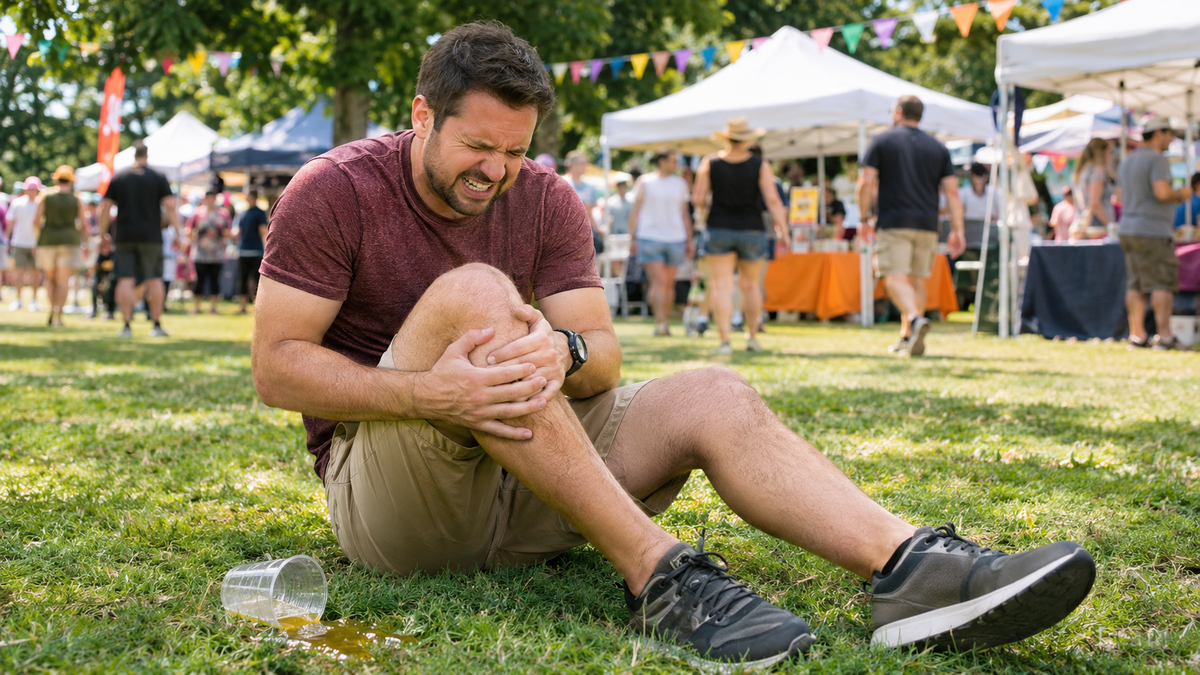
Injured at a Florida Event or Festival: Who May Be Liable?
An injury at a concert, festival, fair, or other public event can raise questions about the condition of the property, crowd management, temporary structures, vendors, and security. An event injury claim in Florida may involve more than one potentially responsible party depending on who controlled the area, created or knew about the hazard, and was responsible for addressing it. Ralph Sanchez Law can review the circumstances and available evidence to help identify which parties and legal issues may be relevant.
The answer is not always limited to the event organizer. Depending on how the event was planned and operated, responsibility may involve a property owner, vendor, security company, contractor, or another party.
At Ralph Sanchez Law, we know that understanding the possible sources of liability can help injured people make informed decisions. This article explains common issues that may arise after a Florida event injury. Every incident is different, and determining who may be legally responsible requires an assessment of the specific facts.
Why More Than One Party May Be Involved
Large events often rely on a network of businesses and individuals. An organizer may arrange the event, a venue owner may control the property, a contractor may install temporary structures, and separate companies may provide food, rides, equipment, or security. Each party’s responsibilities may be set out in contracts, permits, or operating procedures—but contracts alone do not determine every injured person’s legal rights.
An event injury claim in Florida usually calls for a careful review of the location, the hazard, each party’s role, and what reasonable safety steps could have prevented the incident. Florida negligence claims generally require evidence that a party had a legal duty, failed to use reasonable care, and caused an injury that resulted in damages. More than one party may have contributed to the same unsafe condition. For example, a vendor might spill a drink, an organizer might fail to arrange timely cleanup, and the venue might have inadequate procedures for reporting hazards. Reviewing each party’s role can help determine how the unsafe condition developed and who may have been responsible for addressing it.
Event Organizers and Promoters
Organizers and promoters commonly coordinate schedules, staffing, crowd flow, vendor placement, emergency plans, and communications with the venue. Their precise duties depend on their control over the event and the circumstances. If an organizer takes responsibility for safety planning, a failure to address foreseeable risks may become relevant to a claim.
Planning, Crowd Management, and Emergency Response
Large crowds can create risks such as crushing, trampling, blocked exits, and dangerous surges near a stage or entrance. Organizers may need to consider expected attendance, the layout of the space, entry and exit routes, barriers, staffing levels, and procedures for responding to an emergency. A crowd-management plan should be appropriate to the event rather than merely copied from a different venue or occasion.
Evidence may show whether organizers monitored crowd density, communicated with staff, responded to reports of overcrowding, and kept emergency routes usable. A sudden and unforeseeable incident does not automatically establish negligence. However, ignored warning signs or an inadequate response to a developing hazard may be important facts.
Temporary Structures and Event Layout
Stages, tents, lighting rigs, fencing, bleachers, and decorative installations can create risks if they are improperly designed, assembled, anchored, or inspected. Organizers may be involved in selecting contractors, approving layouts, or deciding whether an area is ready to open. Responsibility may depend on who installed the structure, who was required to inspect it, and who controlled public access to the area.
Property Owners and Venue Operators
A festival may take place on private property, public land, or a venue operated by an entity separate from the promoter. In a festival premises liability claim, the duties of a property owner or operator can depend on control of the premises, the type of hazard involved, the visitor’s legal status, and the applicable Florida law.
Potential hazards include uneven pavement, broken steps, loose cables, poor lighting, standing water, damaged railings, and obstructed walkways. Property-related claims may also involve whether the party responsible for the premises conducted reasonable inspections, addressed hazards within a reasonable time, or provided an adequate warning when a danger could not be corrected immediately.
Control matters. A venue may retain responsibility for permanent walkways while an organizer manages a temporary event area. In other cases, an agreement may assign particular maintenance tasks to a contractor. Those arrangements can help explain who was responsible, but the actual conduct and the law still need to be examined.
Vendors, Exhibitors, and Ride Operators
Food sellers, merchandise booths, exhibitors, and activity operators may create hazards within their own work areas. A vendor could contribute to an injury by leaving spills, boxes, cords, or equipment in a public path, using unstable displays, or failing to maintain a safe queue. A ride or attraction operator may have separate duties related to equipment, instructions, staffing, and inspections.
Responsibility can depend on who created the condition, who controlled the area, and who had a reasonable opportunity to address it. For instance, if a beverage spill causes a fall, useful questions may include who spilled the drink, how long it was there, whether staff knew about it, and whether the vendor or event team had a reasonable cleanup procedure. These details can be more significant than simply identifying the business nearest to the incident.
Security Companies and Negligent Security Concerns
Event security may involve bag checks, crowd monitoring, access control, conflict response, and coordination with police or emergency personnel. A security provider may face scrutiny if its conduct falls below the applicable standard of care and that failure contributes to an injury. Organizers or venue operators may also be examined if they controlled security decisions or failed to respond reasonably to known risks.
Potential concerns include too few staff for the expected attendance, poorly managed entrances, inadequate monitoring of a high-risk area, or a delayed response to a developing altercation. However, an injury caused by another person does not automatically mean that a security company or property owner is liable. The facts must support a connection between the safety failure alleged and the harm suffered.
When reviewing security-related incidents, investigators may consider prior complaints, event plans, staffing records, radio communications, incident reports, and available video. Security obligations vary with the event and circumstances; no single measure can guarantee that an incident will never occur.
Contractors and Other Service Providers
Event contractors may handle construction, electrical work, lighting, sound, sanitation, traffic control, fencing, or equipment delivery. A contractor may be responsible for hazards caused by its work, such as an unsecured cable, unstable platform, improperly installed barrier, or unsafe work area left accessible to guests.
Other parties may also have a role. A transportation provider, parking operator, equipment lessor, or cleaning company may have created or managed a condition connected to an injury. Potential responsibility depends on the work performed, the area controlled, and the safety obligations assigned to each party.
Warnings, Instructions, and Attendee Conduct
Clear warnings and instructions can help attendees recognize risks, but a sign does not necessarily resolve every safety concern. The placement, wording, visibility, and timing of a warning may matter. A warning that is hidden by a crowd or posted after a hazard has existed for some time may not be effective. Likewise, a warning may not replace reasonable steps to correct a dangerous condition where correction is practical.
Attendees’ actions may also be considered. Florida follows a modified comparative negligence system for many negligence claims. In general, a person’s recovery may be reduced according to their share of fault, and a person found to be more than 50 percent at fault may be barred from recovering damages in a negligence action, subject to applicable legal rules and exceptions. The circumstances matter: being in a crowded area or failing to notice a hidden hazard does not, by itself, answer the legal question.
What to Do After an Event Injury
After an injury, prioritize medical attention and follow the advice of health professionals. Prompt care can support your wellbeing and create a record of the symptoms and treatment. If you are able, consider taking practical steps to preserve information about what happened:
- Report the incident to event staff, venue management, or security and ask how to obtain a copy of any report.
- Photograph or record the hazard, the surrounding area, lighting, signs, barriers, and any visible injuries, if it is safe to do so.
- Collect names and contact details for witnesses and keep tickets, receipts, event messages, and related documents.
- Write down what you remember, including the time, location, sequence of events, and any conversations with staff.
- Keep relevant medical records and receipts, and avoid altering or discarding items connected to the incident.
Conditions can change quickly after a festival ends. A spill may be cleaned, a barrier moved, or a temporary structure dismantled. Early documentation can therefore be valuable. Avoid guessing about faults when speaking with others, and consider getting legal guidance before signing a release or accepting a settlement that may affect future rights.
Evidence and Time Limits in a Florida Event Injury Claim
Evidence may include photographs, surveillance footage, witness accounts, incident reports, maintenance logs, event safety plans, contracts, inspection records, and communications between the parties. Some video systems overwrite recordings, and temporary event materials may be removed soon after the event. A timely request to preserve relevant evidence may be important.
Florida deadlines can limit how long someone has to file a lawsuit. The applicable period may depend on when the injury occurred, the type of claim, and whether a government entity is involved. Claims involving public bodies can have additional notice and procedural requirements. Because deadlines and exceptions are fact-specific, it is wise to seek advice promptly rather than assume a particular time limit applies.
How a Florida Personal Injury Lawyer May Help
A Florida personal injury lawyer can review the available evidence, identify potentially responsible parties, and assess how their roles relate to the injury. That review may involve examining event agreements, safety procedures, maintenance practices, and insurance coverage. It can also help clarify what information is missing and whether additional investigation is appropriate.
At Ralph Sanchez Law, our approach is to understand the circumstances of the injury and explain potential next steps in clear terms. A conversation with our team does not guarantee a particular result, but it can help an injured person better understand the issues involved and the options that may be available.
Understanding Responsibility After a Florida Event
Liability after a festival or public event is rarely determined by the event ticket or by a single sign naming the organizer. The key questions often include who controlled the area, who created or knew about the hazard, what safety measures were reasonable, and whether a failure contributed to the injury. Organizers, property owners, vendors, security providers, and contractors may all warrant consideration, depending on the facts.
If you or a family member was hurt at a Florida event, preserve relevant information and consider obtaining advice about the circumstances and deadlines. A review of the evidence can help identify the issues that may affect an event injury claim in Florida and which parties may warrant further investigation.
Contact Ralph Sanchez Law to discuss the condition that caused the injury, the parties responsible for the property or event, and the evidence that may affect your claim. A Florida personal injury lawyer can review whether an organizer, property owner, vendor, security provider, contractor, or another party may share responsibility.