
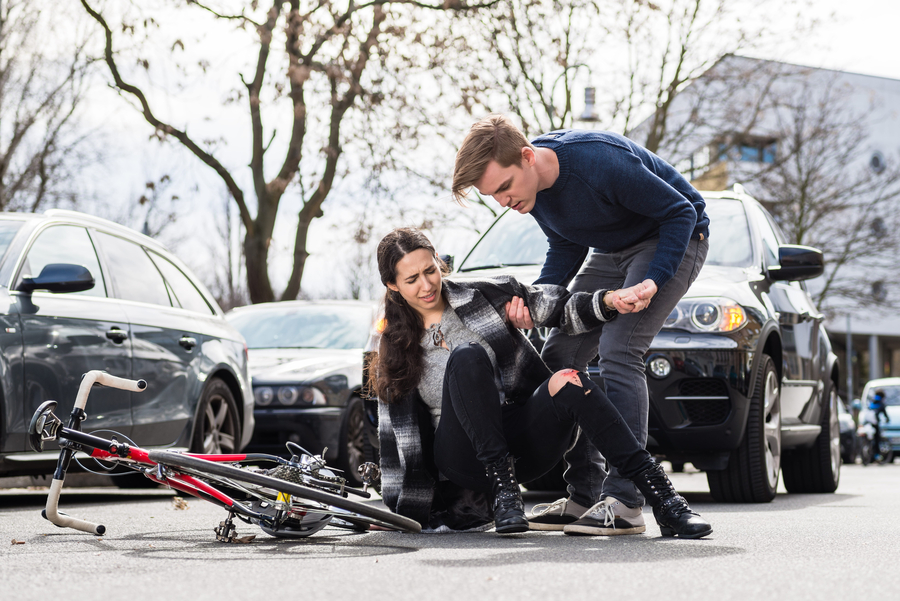
Fort Myers Bicycle Accidents at Intersections: How Is Liability Proven?
Intersections can create several collision risks for bicyclists, especially when vehicles are turning, changing lanes, or crossing bike lanes. For people researching bicycle accidents in Fort Myers, determining liability may require reviewing traffic signals, right of way, visibility, vehicle movements, witness accounts, and physical evidence. Ralph Sanchez Law explains how these details may help establish what happened after an intersection bicycle crash and how responsibility may be evaluated.
After an intersection bicycle crash, evidence may help show how the vehicles and cyclists moved before impact. Traffic signals, road markings, vehicle damage, witness accounts, video, and medical records may each provide part of the picture. At Ralph Sanchez Law, we help injured cyclists understand the evidence and legal questions that may affect their claim. This overview explains common ways liability may be evaluated after a bicycle accident in Fort Myers.
Why Intersection Bicycle Crashes Can Be Difficult to Prove
An intersection brings together several road users with different speeds, directions, and expectations. A driver may say a cyclist appeared suddenly, while the cyclist may remember having the right of way. Each account matters, but neither automatically settles the question of liability. Investigators generally look for evidence that can support or contradict the people involved.
Important details may include which signal was illuminated, whether a driver used a turn signal, where the cyclist was positioned, and whether either person had time to see and avoid the other. Road design and visibility also matter. A parked vehicle, landscaping, construction barrier, or large vehicle can obstruct a sightline. Even the location of debris or a bicycle’s final resting place may help show where impact occurred.
Traffic Signals, Signs, and Right-of-Way
Traffic signals and signs may provide important evidence about how traffic was directed. Investigators may examine whether the driver or cyclist had a green light, whether a turn arrow was active, and whether a stop or yield sign applied. Florida law sets rules for bicycle operation and roadway conduct, but the circumstances of a collision are essential when applying those rules. A person’s presence in a bike lane does not, by itself, answer every question about right-of-way.
What signal evidence may show
Signal timing records, nearby camera footage, photographs, and eyewitness observations may help establish what happened. Where available, traffic signal data can assist with understanding the sequence of lights, although it may not record the actions of individual road users. It is also important to note that people can remember signal colors differently, especially after a frightening event.
Signs and pavement markings can help show how traffic was intended to move through the intersection. A marked bike lane, stop line, crosswalk, turn-only lane, or shared-use marking may help show the intended movement of traffic. Photographs should capture the full intersection as well as close-up details, because lane arrangements and sightlines may be difficult to understand from a single image.
Turning Movements and Bike Lane Collisions
Turning vehicles are a frequent factor in intersection bicycle crashes. A driver turning right may cross a cyclist’s path in a bike lane. A driver turning left may misjudge the cyclist’s speed or fail to yield while crossing the cyclist’s direction of travel. A vehicle entering a road or driveway can also collide with a cyclist already moving along the roadway.
To assess a turning collision, investigators may consider the vehicle’s approach, speed, lane position, turn signal use, and the point of impact. They may compare the car’s damage with damage to the bicycle, review photographs, and examine any available video. The cyclist’s direction and route through the intersection can also be important. Crash reconstruction may help evaluate whether the driver could reasonably have seen the cyclist and responded before impact.
Understanding the bike lane and cyclist’s position
Bike lanes can help organize traffic, but their presence does not eliminate risk. Drivers may cross a bike lane before turning, and parked vehicles or road work may force cyclists to adjust their position. Investigators may ask whether the cyclist was within a marked lane, moving around an obstruction, or proceeding through the intersection in a way consistent with the surrounding signs and signals.
These details should be evaluated alongside the driver’s conduct. A cyclist’s position may be relevant, but it does not automatically excuse a driver who failed to keep a proper lookout or yield when required. The evidence and applicable law determine how each person’s actions may affect a claim.
Visibility, Road Conditions, and Avoidability
Visibility can be affected by darkness, glare, rain, shadows, or visual obstructions. Investigators may examine the time of day, weather, street lighting, vehicle headlights, and the condition of the road. They may also consider whether a driver could see the cyclist from the approach to the intersection, rather than only at the moment of impact.
Visibility depends on more than the cyclist’s clothing. They include whether the vehicle’s windshield or mirrors were unobstructed, whether parked cars blocked the view, and whether the driver was looking in the direction of travel. For the cyclist, helmet, clothing, lights, and reflectors may be relevant to the circumstances, but these factors alone do not establish who caused a crash.
Evidence That May Help Establish Liability
Evidence can fade or disappear quickly. Skid marks may be cleared, damaged vehicles repaired, and nearby video systems may overwrite recordings. If it is safe to do so, people involved in a crash can preserve information and record what they remember as soon as practical.
- Photographs: Images of the intersection, signals, signs, bike lane, vehicle damage, bicycle damage, debris, and visible injuries may document conditions soon after the crash.
- Video footage: Traffic, business, residential, dash-camera, or helmet-camera recordings may capture the approach and collision. Access and retention periods vary, so potentially relevant footage may need prompt attention.
- Witness accounts: Names and contact details can help preserve independent observations about signal colors, turning movements, speed, and the events immediately before impact.
- Police records: A crash report may contain statements, diagrams, and observations. It can be valuable, but it is not necessarily a complete investigation or a final legal determination of fault.
- Physical evidence: Damage patterns, bicycle components, road marks, and the location of objects may help explain the direction and force of impact.
- Electronic information: In some cases, vehicle data or location records may offer additional context. Whether such information exists and can be obtained depends on the vehicle, device, and circumstances.
Keep original photographs and files when possible, and avoid editing footage or images that may be relevant. Write down recollections while they are fresh, but do not guess about details that are uncertain. A consistent, accurate record is more useful than a confident statement that later proves mistaken.
Medical Records and the Connection to Injuries
Medical records can document the nature of the injuries, when symptoms were reported, and the treatment provided after the crash. Emergency department records, follow-up appointments, imaging, treatment notes, and rehabilitation records can document symptoms and care. They may also help explain why a person could not immediately recognize the full extent of an injury.
Seeking appropriate medical attention matters for health first. It can also create a clear record linking reported symptoms to the collision. Tell healthcare providers about all symptoms, follow their instructions, and keep records of appointments and expenses. Gaps in treatment or inconsistent descriptions may prompt questions, so it can be useful to explain any practical reason for a delay or interruption. Medical records should be accurate and complete; they are not a substitute for independent proof of how the crash occurred.
How Shared Responsibility May Affect a Florida Claim
Liability is not always limited to one person. Investigators may examine whether the driver, cyclist, or another party contributed to the collision. Florida generally applies a modified comparative negligence rule to negligence claims: a person’s compensation may be reduced by their percentage of fault, and recovery is generally barred if their share of fault is greater than 50 percent. The rule’s application depends on the facts and any relevant legal exceptions.
For example, a driver may have made an unsafe turn while a cyclist may also have failed to obey a signal. Or evidence may show that one person’s account is not supported by video or physical details. Each claim must be considered on its own evidence; assumptions based on the fact that someone was riding a bicycle or driving a car do not establish fault.
Practical Steps After a Bicycle Accident in Fort Myers
After a collision, prioritize safety and medical care. If possible, report the crash to law enforcement and exchange contact and insurance information. Avoid arguing about blame at the scene, and be cautious about making statements that go beyond what you know. If a person is seriously injured, emergency responders should be contacted.
- Get medical attention and follow the care plan recommended by your providers.
- Record the location, date, time, weather, and names of witnesses, if you can do so safely.
- Photograph the intersection, bicycle, vehicle, and visible injuries without putting yourself in danger.
- Preserve relevant messages, receipts, medical paperwork, and any original video files.
- Be careful before signing documents or giving a recorded statement to an insurer; consider getting legal guidance about your situation.
When to Seek Legal Guidance
A bicycle injury claim may involve driver conduct, insurance coverage, medical costs, lost income, and the effects of the injuries. A Fort Myers car accident attorney who handles motor-vehicle collisions involving bicyclists may help evaluate relevant evidence, identify possible sources of records, and explain the process. Legal guidance can be particularly useful when fault is disputed, injuries are significant, or an insurer questions how the collision happened.
Deadlines and procedural requirements can affect a claim, so avoid assuming there is unlimited time to act. The appropriate next step depends on the facts, the injuries, and the available evidence. For people dealing with a bicycle accident in Fort Myers, you may find that a prompt, organized review helps clarify what information should be preserved.
Building a Clear Picture of an Intersection Bicycle Crash
Establishing liability after an intersection bicycle crash may require several types of evidence rather than a single statement or document. Signals and markings can show how traffic was directed; video and witnesses may clarify movements; visibility and physical evidence can help explain what each person could see; and medical records can document the resulting injuries.
Every collision is different, and no single fact guarantees a particular outcome. Still, preserving evidence, obtaining appropriate medical care, and getting legal guidance can help an injured cyclist understand available options. At Ralph Sanchez Law, our team recognizes how disruptive a serious bicycle collision can be and can help people explore the questions raised by their circumstances.
Injured in a bicycle collision at a Fort Myers intersection? Contact Ralph Sanchez Law to discuss what happened and the evidence available in your case. A Fort Myers car accident attorney can review traffic signals, turning movements, bike-lane positioning, witness accounts, video, medical records, and other evidence that may affect liability and help you understand the legal options available to you.