
Lee County Car Accidents: The Evidence Checklist Every Driver Should Follow After a Crash
A Lee County car accident is something many drivers may experience, and knowing what to do right after a crash can affect how your claim is handled. Collecting the right details early on can make a real difference when dealing with insurance companies or legal steps. Ralph Sanchez Law supports drivers with clear Florida accident claim tips and guidance during these situations. This blog explains the evidence checklist after a crash that every driver should follow to protect their claim and avoid common mistakes.
Why an Evidence Checklist is Essential
In the aftermath of a car accident, it can be difficult to think clearly, and it might be challenging to think clearly. However, gathering the right evidence is important. It not only helps in filing an accurate insurance claim but also provides a solid foundation if you need to consult with a car accident lawyer. Here’s why an evidence checklist is so important.
The Role of Evidence in Insurance Claims
Insurance companies rely heavily on evidence to assess fault and damages. Without proper documentation, you might find it difficult to prove your case, which may lead to lower compensation than you deserve. A complete evidence checklist ensures all necessary information is captured, allowing for a more straightforward claims process.
Legal Protection
Following an accident, legal disputes can arise, especially if there are disagreements over who was at fault. An evidence checklist helps in building a strong case, should you need to present your side in court. It can be the difference between winning and losing a lawsuit.
Essential Elements of an Evidence Checklist
To properly document a car accident, your evidence checklist should include several key components. Let’s take a closer look at each element to ensure you’re fully prepared.
1. Photographic Evidence
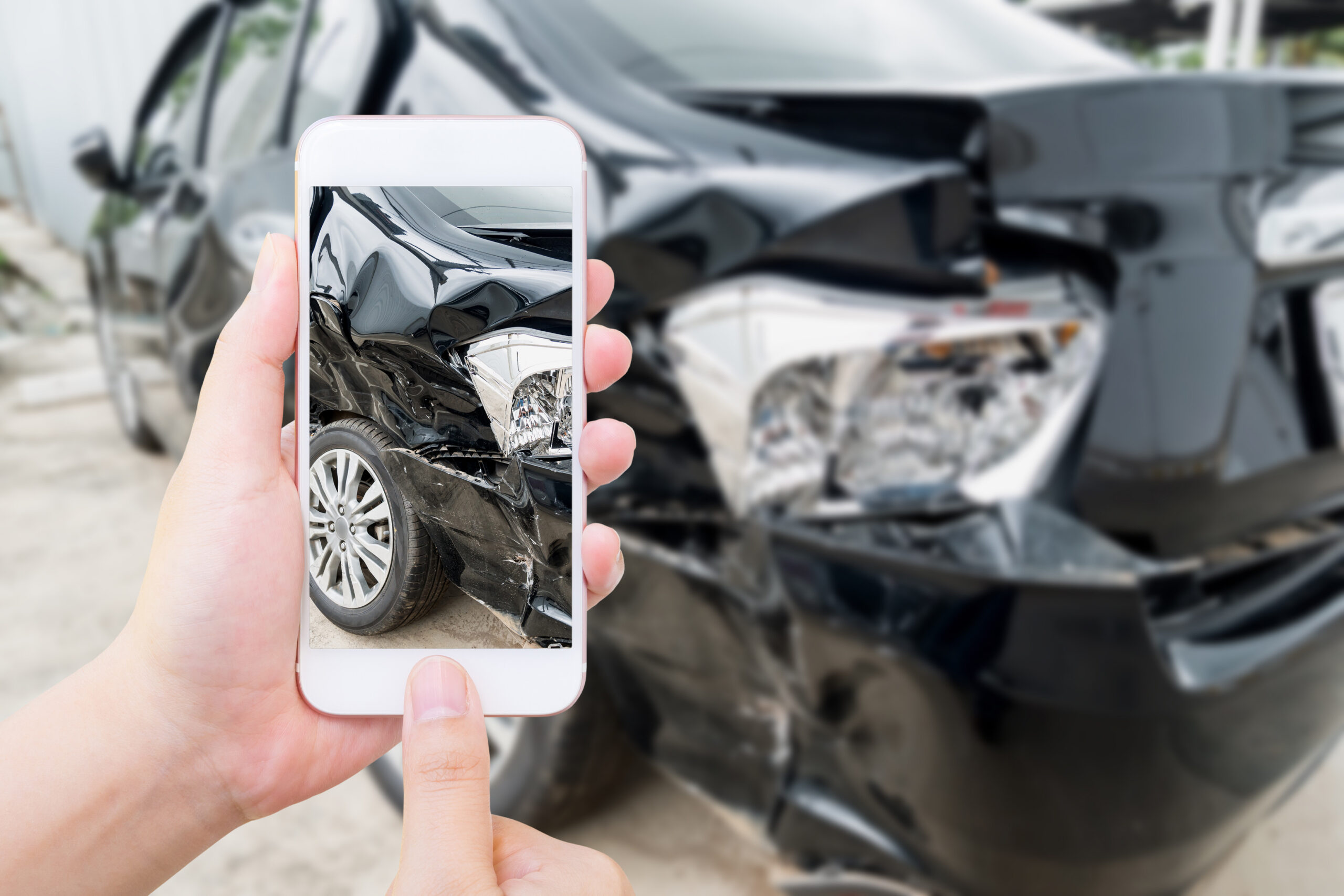
Photographs are one of the most compelling forms of evidence following an accident. They provide a visual account of the scene and can capture crucial details that may be missed. Here’s what you should document:
- Damage to all vehicles involved
- License plates of all vehicles
- Visible injuries to any parties
- Skid marks, road conditions, and traffic signals
- Weather conditions and time of day
2. Witness Information
Having third-party accounts can lend credibility to your version of events. Be sure to collect the names and contact information of any witnesses at the scene. If possible, ask them for a short statement about what they observed.
3. Medical Documentation
Even if injuries seem minor, it’s essential to seek medical attention as soon as possible. Medical records provide evidence of injuries sustained and are important for any claims. Be sure to retain copies of:
- Emergency room visits or doctor’s reports
- Prescriptions and treatment plans
- Medical bills and receipts
4. Police Reports
Contacting the police after an accident is important, as they will compile an official report detailing the incident. This report is a key piece of evidence for insurance claims and legal proceedings. Make sure to obtain a copy for your records.
5. Personal Notes
In the immediate aftermath of a crash, write down what you remember of events. Include details such as:
- The sequence of events leading up to the collision
- Conversations with other drivers or witnesses
- Your thoughts and observations at the scene
For a more detailed breakdown of the claims process and your legal options, reviewing this Lee County car accident claims guide can help you better understand what to expect and how to protect your claim.
Steps to Take Immediately After a Crash
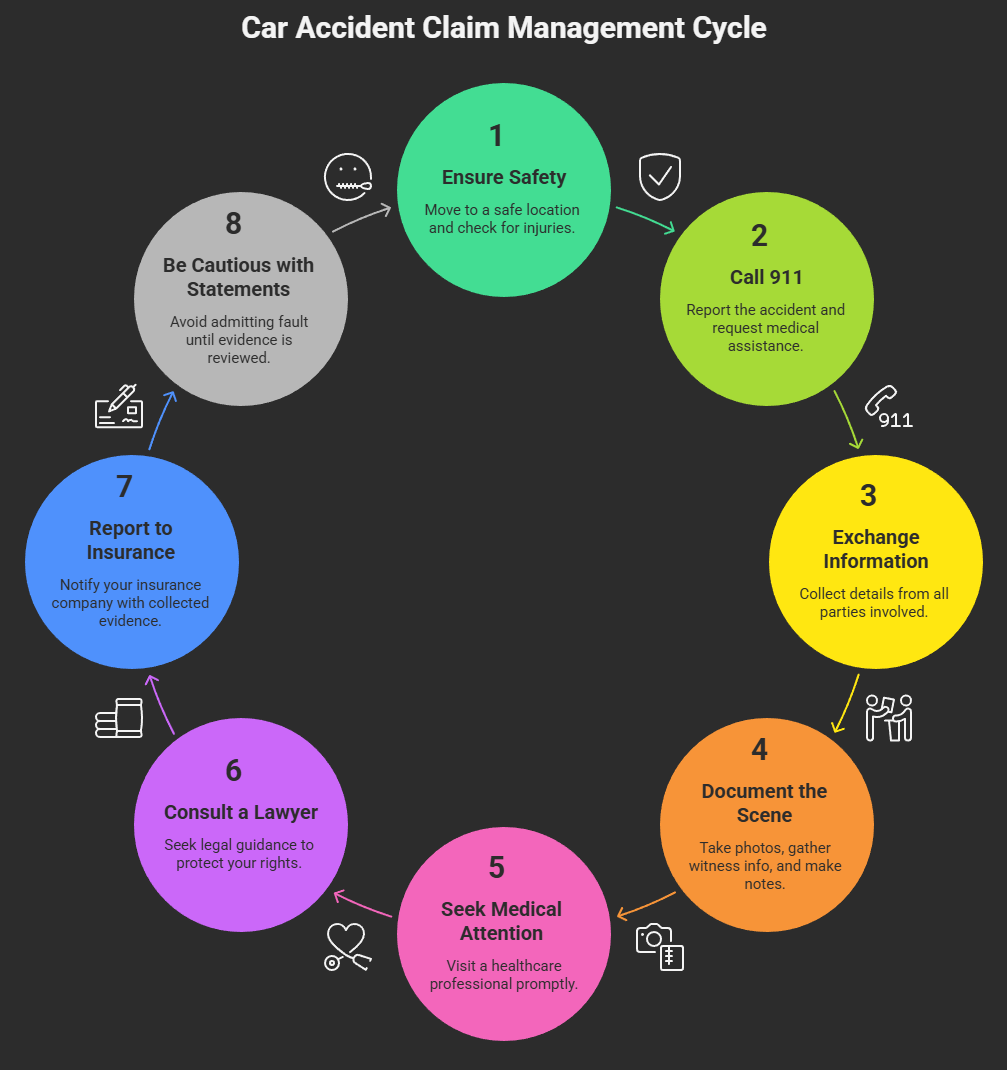
Knowing what to do in the moments following a Lee County car accident can help ensure you collect the right evidence quickly. Here’s a step-by-step guide:
- Ensure Safety: Move to a safe location if possible and check for injuries.
- Call 911: Report the accident to the police and request medical assistance if needed.
- Exchange Information: Collect names, contact details, insurance information, and vehicle details from all parties involved.
- Document the Scene: Take photos, gather witness information, and make personal notes.
- Seek Medical Attention: Visit a healthcare professional promptly, even for minor injuries.
Additional Tips for Protecting Your Claim
Beyond the evidence checklist, there are additional steps you can take to protect your claim and support your claim:
Consult with a Car Accident Lawyer
Engaging a knowledgeable Lee County car accident lawyer like Ralph Sanchez Law can provide helpful guidance. They can help handle the legal process, ensuring your rights are protected and that you receive fair compensation.
Report the Accident to Your Insurance Company
Notify your insurance company about the accident as soon as possible. Provide them with the evidence you’ve collected and be honest about the incident. Missing details can affect your claim.
Be Cautious with Statements
Be careful with what you say to other drivers, witnesses, and especially insurance adjusters. Avoid admitting fault or making firm statements about the accident until all evidence is reviewed and you’ve consulted with a lawyer.
Being involved in a car accident can be a stressful experience, but having a well-prepared evidence checklist can make things easier afterward. By documenting the scene thoroughly, seeking medical attention, and consulting with a car accident lawyer, you can protect your interests and support a fair process for your insurance claim. Remember, being prepared and informed helps in these situations.
For more information on handling car accidents and legal advice, contact us today. We’re here to help guide you through every step of the process.