
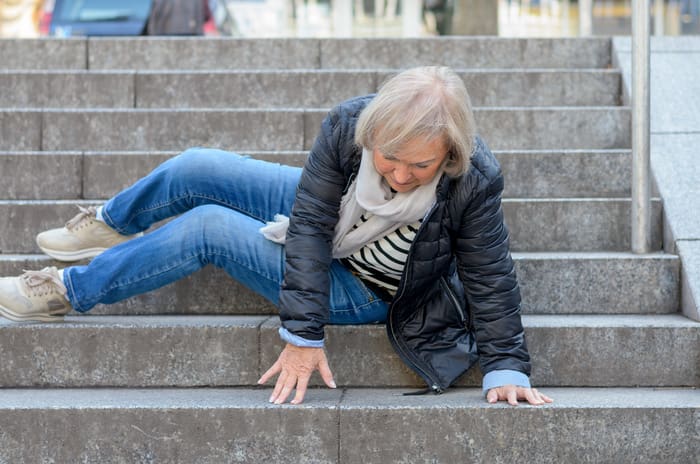
The Most Common Causes of Trip and Fall Accidents in Florida
Trip and fall accidents happen far more often than most people realize, especially in a state like Florida where outdoor spaces, heavy foot traffic, and unpredictable weather are part of everyday life. These incidents can lead to serious injuries and unexpected financial stress. At Ralph Sanchez Law, we regularly help individuals understand their rights after trip and fall accidents in Florida, while also educating the community on how these accidents happen—and how they can be prevented.
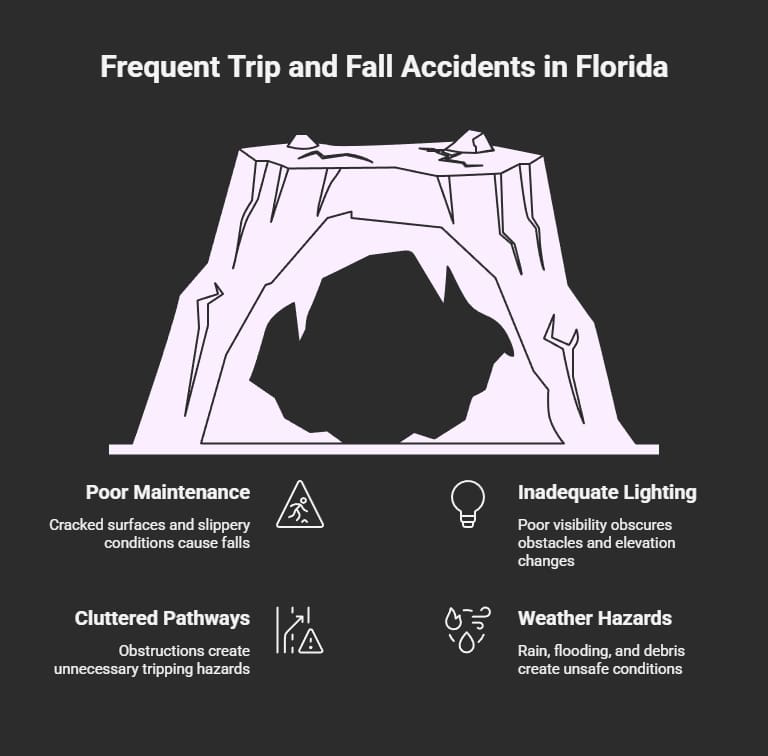
Poorly Maintained Walkways
Poorly maintained walkways remain one of the leading causes of trip and fall accidents in Florida. With sidewalks, parking lots, and entryways constantly exposed to heat, rain, and wear, hazards can develop quickly if maintenance is neglected.
Cracked or Uneven Surfaces
Cracked or uneven surfaces can easily cause someone to lose their balance. These irregularities often occur due to tree roots, weathering, or substandard construction practices. It’s crucial for property owners to regularly inspect and repair walkways to prevent these hazards.
Slippery Conditions
Florida’s frequent rain showers can lead to slippery conditions on walkways. Pooled water or algae growth on surfaces can create slick areas that are difficult to navigate. Ensuring proper drainage and applying non-slip coatings can reduce these risks significantly.
Inadequate Lighting
Poor visibility is another major contributor to trip and fall accidents in Florida. When hazards aren’t clearly visible, even cautious pedestrians are at risk.
Dimly Lit Pathways
Dimly lit pathways can obscure obstacles or changes in elevation. Installing adequate lighting along pathways and in parking lots can help mitigate this risk, ensuring that pedestrians can clearly see where they are stepping.
Malfunctioning Lighting Fixtures
Even if lighting is installed, malfunctioning fixtures can still pose a danger. Regular maintenance checks should be conducted to ensure all lighting is operational and effective.
Cluttered and Obstructed Pathways
Cluttered and obstructed pathways are a significant hazard, particularly in commercial settings. When walkways are used as storage areas, they create unnecessary obstacles that can lead to falls.
Improper Storage Practices
Improper storage of goods or equipment in hallways and aisles can lead to accidents. Businesses should enforce strict policies to keep walkways clear and ensure that any items that must be stored are done so safely and out of the way.
Temporary Obstructions
Temporary obstructions, like construction materials or cleaning equipment, can also pose risks. Clear signage and barriers should be used to alert pedestrians to these temporary hazards.
Weather-Related Hazards
Florida’s unique climate can contribute to various trip and fall hazards. From heavy rains to occasional hurricanes, the weather plays a significant role in creating unsafe conditions.
Rain and Flooding
Heavy rains can lead to flooding, creating slippery surfaces and hiding uneven ground. It’s essential to have proper drainage systems in place to manage excess water and reduce the risk of falls.
Hurricane Debris
After a hurricane, debris can litter pathways and streets, posing a danger to pedestrians. Swift cleanup and clear communication about affected areas can help prevent accidents.
Legal Considerations and Prevention
Understanding the legal implications of trip and fall accidents in Florida is crucial, especially if you’re a property owner or manager. Florida slip and fall laws are designed to protect both victims and property owners, but they require that certain conditions be met for liability to be established.
Duty of Care
Property owners have a duty of care to maintain safe premises. This means addressing known hazards promptly and conducting regular inspections to identify potential risks. Failure to do so can result in legal liability if an accident occurs.
Contributory Negligence
Florida operates under a comparative negligence system. This means that if a victim is found to be partially at fault for their accident, their compensation may be reduced. For instance, if someone was texting while walking and tripped over an obvious obstacle, their ability to claim damages might be impacted.
Consulting a Personal Injury Attorney
When we speak with clients after trip and fall accidents in Florida, we often find they’re unsure about their rights. Working with an experienced personal injury attorney helps clarify liability, preserve evidence, and pursue fair compensation. At Ralph Sanchez Law, we guide clients through this process with clarity and care.
Preventive Measures
Prevention is always better than cure, and there are several steps that both property owners and individuals can take to reduce the risk of trip and fall accidents.
Regular Maintenance
Regular maintenance of walkways, lighting, and drainage systems is essential. Property owners should conduct frequent inspections and address any issues immediately to prevent accidents.
Public Awareness
Raising public awareness about the common causes of trip and fall accidents can help individuals be more cautious. Educational campaigns and safety workshops can play a significant role in reducing accidents.
Proper Signage
Using clear and visible signage to warn of potential hazards, such as wet floors or ongoing construction, can greatly reduce the risk of accidents. Signage should be placed at eye level and in well-lit areas to ensure visibility.
Trip and fall accidents in Florida are a serious safety and legal concern, but many are preventable with proper maintenance and awareness. By understanding the most common causes and taking proactive steps, we can help reduce injuries across our communities. When accidents do happen, knowing your rights matters. At Ralph Sanchez Law, we’re committed to helping individuals affected by trip and fall accidents in Florida seek clarity, accountability, and fair compensation—while continuing to promote safer environments for everyone. Get in touch with our team today.